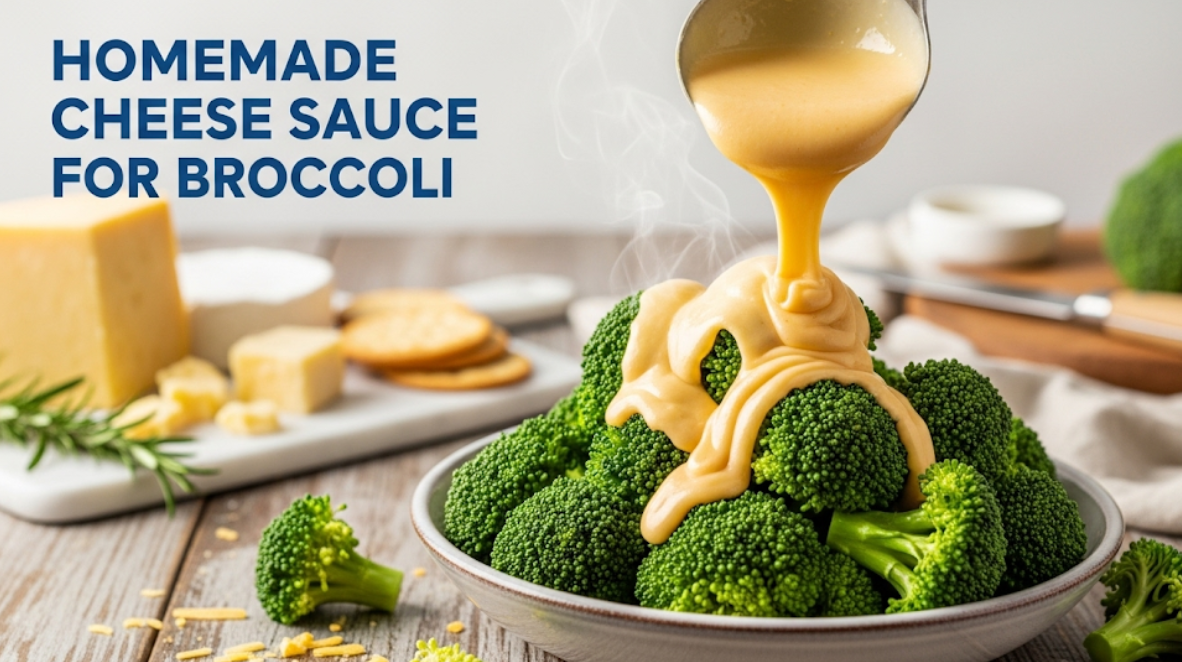
Homemade Cheese Sauce for Broccoli
Introduction
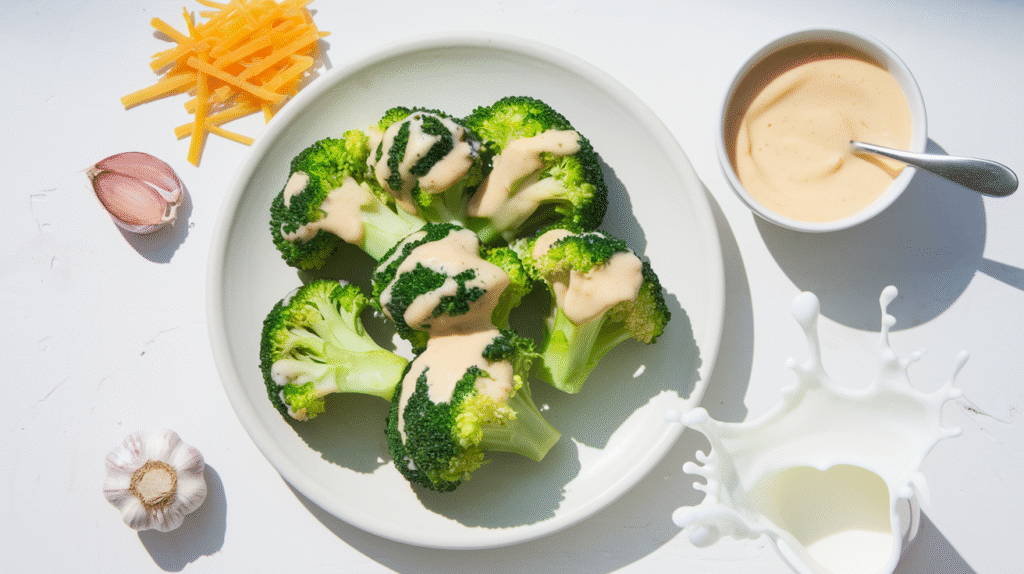
There’s nothing like a good cheese sauce on broccoli – it takes a plain vegetable and makes it a family favorite. This creamy, decadent sauce can take broccoli that would be a chore to eat and turn it into something everyone at your table will crave.
Homemade cheese sauce, nothing beats it over the store stuff. You’re the master of the ingredients, the texture and the flavor. And it’s very easy to make with ingredients you likely have on hand in your kitchen already.
Whether you are cooking for fussy eaters or want to incorporate more vegetables into your dishes, this guide will show you everything you need to know. From simple recipes to advanced sauce tips, learn how to make cheese sauce for broccoli.

Why Homemade Broccoli Cheese Sauce?
Commercial cheese sauce is also made with preservatives and artificial products. When you make your own, you know exactly what’s in it.
Cost savings add up quickly. A homemade batch is also much cheaper to make than to buy pre-made sauce. You can make a bunch and save it for more meals.
Customization is another huge benefit. You can make it thicker or thinner, vary the cheese, and be judicious with the amount of salt. For the mild vs. extra sharp debate. Some members of the same family go milder, and some like it extra sharp.
Freshness actually really matters when it comes to taste. Homemade cheese sauce is silky and more flavorful than any kind of cheese sauce out of a pouch.
Health in ingredients, yes. You steer clear of unnecessary additives and are free to add nutritious elements such as herbs or additional calcium. For more healthy recipe ideas and nutrition tips, visit FitFuel.blog for inspiration on creating wholesome meals.
The Best Version of Cheese Sauce Uses These Key Ingredients
You want a great cheese sauce for broccoli, you need to start with quality ingredients. Every aspect has its purpose in the delicious, sticky goodness.
Base Ingredients
Butter makes everything in the sauce taste rich, and also helps make the roux. You want unsalted butter so you can control the salt. Between 2 and 3 tablespoons is appropriate for most recipes.
Flour helps the sauce thicken and does not break. All-purpose flour works perfectly. You’ll want approximately the same amount as butter.
Milk provides the liquid base. The creamiest result is made with whole milk, but 2% milk is also delicious. Do not use skim milk or it may cause the sauce to be watery.
Cheese is the star ingredient. Sharp cheddar is a traditional flavor, while mild cheddar is palatable to sensitive tastes. Shred your own cheese for consistently better melting every time.
Flavor Enhancers
Season the sauce with salt and pepper. Try tasting as you go. Add small amounts and taste. White pepper lets the color stay pale.
Garlic powder gives depth without the spots. Fresh minced garlic works too, but you need to be extremely gentle with it so it doesn’t burn.
Mustard powder enhances cheese flavor. A tiny bit goes a long way. Dijon mustard is also OK if you don’t have powder.
Sprinkle a little paprika for color and a mild taste. Smoked paprika adds something different to the common recipes.
Step-by-Step Cheese Sauce Recipe
This no-fail method produces cheese sauce that is smooth and creamy with broccoli. Follow the steps precisely for better results.
Preparation Phase
Assemble all ingredients before cooking. Cheese sauce moves fast once you start, so having everything ready can prevent problems.
Use cheese you grate yourself, not the pre-shredded. Pre-shredded cheese has anti-caking agents in it, which can cause sauce to be grainy.
Measure out the milk and allow it to come to room temperature. Cold milk can make the roux seize and clump up.
Cooking Process
Step 1: Prepare the Roux
Melt butter in a medium saucepan over medium heat. Add the flour and stir constantly for 2 to 3 minutes. This takes out the raw flour flavor and makes a nice base.
Step 2: Whisk in Milk
Whisk the milk slowly as you pour it in. Begin with a splash, whisk till it’s smooth and then add more. This prevents lumps from forming.
Step 3: Season the Base
If you’d like salt, pepper or other dry seasonings, sprinkle them in now. At this point the sauce should be smooth and slightly thickened.
Step 4: Melt the Cheese
Remove the pan from heat and add the cheese. Whisk in cheese a small handful at a time, stirring until each addition is fully melted.
Step 5: Finishing Touches
Taste and season as needed. If sauce is too thick, whisk in a little warm milk. If it’s too thin, cook for an additional minute or two.
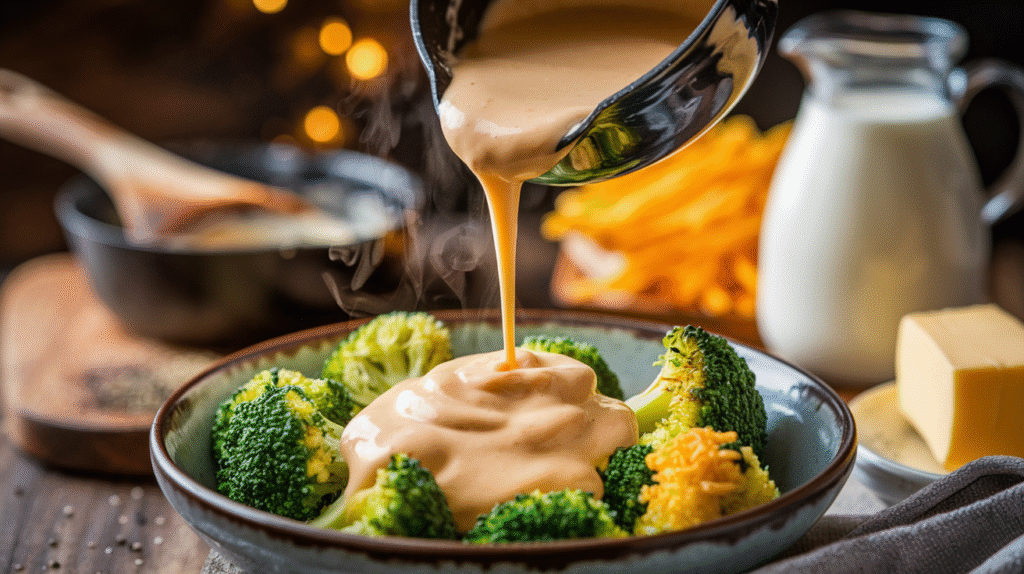
Various Cheeses for Your Sauce
Cheese selection makes a big difference in the flavor and texture of your cheese sauce for broccoli. Each brings something unique to the table.
Sharp Cheddar
Sharp cheddar offers the classic cheese sauce taste that people seem to expect. It melts well, and its flavor is strong enough to hold up to broccoli’s earthy flavor.
Aging makes for great additional flavors that enhance the sauce. Sharp cheddar also retains color well once melted.
Mild Cheddar
Mild cheddar is better for kids or anyone who doesn’t like strong cheese flavors. It makes a silky, creamy sauce without overwhelming the broccoli.
This option pairs well with other cheeses, so you can make your own flavor combinations.
Cheese Blends
Something more interesting happens when two or three cheeses are combined. Consider mixing in a little cream cheese to make it even creamier.
Gruyere and cheddar are wonderful together. It has nutty tones, thanks to the Gruyère, and a comfortable familiarity from the cheddar.
Monterey Jack cheese melts well and is only slightly flavored. It’s a great base for stronger cheeses.
Common Errors and Tips to Avoid Them
Making cheese sauce for broccoli is not hard, but even experienced cooks can encounter problems. Some of the most frequently encountered issues and their solutions are listed here.
Grainy or Separated Sauce
Heat is typically the culprit. Proteins in cheese can seize up when exposed to excessive heat. Never add the cheese with the heat still on under the pan.
And then there is the danger of too much cheese being added all at once. Add it in small amounts and let each addition completely melt before adding more.
Pre-shredded cheese can sometimes cause texture issues. The anti-caking coating prevents smooth melting.
Lumpy Sauce
Adding cold milk to hot roux equals instant lumps. Allow milk to come to room temperature, or warm it slightly, before adding it.
Failing to whisk constantly while adding milk causes lumps to develop. Stir at a good pace and consistently during this step.
If lumps do develop, strain the sauce through a fine mesh strainer or hit it with an immersion blender to smooth it out.
Thin or Watery Sauce
If you don’t cook the roux long enough, the sauce won’t thicken properly. Cook the butter and flour mixture for 2-3 minutes.
Too much milk will make a thin sauce. Add milk in small amounts and check consistency as you go.
If you thin the sauce too much, your best bet is to make a little more roux and whisk it into the sauce. Or simmer the sauce longer to reduce it.
Perfect Broccoli Preparation Methods
The preparation of the broccoli is going to make a difference in how well your cheese sauce for broccoli turns out. Various methods yield different textures and results.
Steaming Method
Steaming retains the greatest amount of nutrients and produces a crisp-tender texture. Steam with a steamer basket over boiling water for 4-6 minutes.
The broccoli should be bright green and fork tender. Oversteamed broccoli is mushy and does not stand up well to cheese sauce.
Roasting Method
Roasting imparts more flavor via caramelization. Drizzle oil over florets and season with salt and pepper. Bake at 425°F for 15 to 20 minutes.
Roasted broccoli has crispy edges, which provides a nice textural contrast to the smooth cheese sauce. The flavor is slightly charred, which lends complexity.
Blanching Method
Blanching in boiling salted water for 2-3 minutes makes tender broccoli that reheats nicely. Transfer immediately to ice water to halt cooking.
This is a great way of preparing broccoli in advance. The brief cooking helps retain color and nutrition.
Storage and Reheating Tips
Proper storage will help your cheese sauce for broccoli stay fresh and safe to consume. Here’s what to do for maximum results.
Refrigerator Storage
Cool the sauce to room temperature then refrigerate. Hot sauce can raise the temperature in your refrigerator and affect other foods.
Store in airtight containers for up to 4 days. Glass containers are good because they don’t retain odors or stains.
Cover with plastic pressed directly onto the surface of the sauce to prevent a skin from forming.
Freezer Storage
Cheese sauce can be frozen for up to 3 months, but the texture may change slightly. Pack in freezer-safe containers, allowing room for expansion.
For optimal results, thaw overnight in the refrigerator. Never thaw at room temperature for food safety reasons.
Expect some separation after freezing. Careful reheating and vigorous whisking will usually bring the sauce back to smoothness.
Reheating Methods
Microwaving works for small quantities. Microwave at 50% power for brief periods, stirring every 30 seconds to avoid overheating.
Stovetop reheating allows more control. Use low heat and stir often. If the sauce is too thick, add a little milk gradually.
Double boiler is the most gentle way to reheat. This prevents burning and helps preserve the silky texture.
Creative Variations and Add-ins
Cheese sauce for broccoli can take a variety of forms. All of them contribute different flavors and are sure to spice up your meals.
Herb-Infused Variations
Fresh herbs brighten cheese sauce remarkably. For a burst of fresh flavor, stir in chopped chives, parsley or dill right before serving.
Dried herbs need longer to release their flavors. Add them during the cooking process with the seasonings.
Try herb butter instead of regular butter in your roux. Make it by combining softened butter with minced fresh herbs.
Spicy Options
Red pepper flakes provide a little bit of heat without overshadowing the cheese flavor. Start with a pinch and taste – you can always add more.
Hot sauce and cheese sauce go well together. Opt for varieties that won’t overshadow the cheese.
You could also mince and sauté jalapeño or other fresh peppers and add them along with the roux.
Gourmet Additions
Wine makes cheese sauce feel more grown-up. Use white wine and cook it briefly to evaporate the alcohol while keeping the flavor.
Sweetness and depth come from caramelized onions. Stir them into the finished sauce separately.
Smoky bacon bits contribute plenty of flavor and texture. For best taste, use real bacon pieces, not imitation bits.
Nutritional Information and Health Benefits
Understanding the nutritional content of cheese sauce for broccoli helps you make informed food choices. It’s a nutritional powerhouse when combined properly.
Broccoli Nutrition
Broccoli is loaded with vitamin C, vitamin K and folate. One cup delivers more than 100 percent of your daily requirement of vitamin C.
High fiber content supports digestive health. Broccoli also contains compounds that may help reduce inflammation.
Low calorie content makes broccoli a wonderful choice for weight management. It’s the cheese sauce that accounts for most of the calories in this dish.
Cheese Sauce Nutrition
Cheese and milk provide calcium, which helps maintain bone health. Each serving contains a significant amount of daily calcium needs.
Protein content helps with satiety and muscle maintenance.
Fat content depends on the type of milk and cheese you use. Opt for lower-fat versions if you’re counting calories.
Making It Healthier
Reduce the butter by half or replace half of the butter with olive oil.
Use low-fat milk alternatives while keeping most of the flavor and texture but cutting calories.
You can add more vegetables to increase the nutrition factor. Bell peppers or cauliflower work well with broccoli.
Serving Suggestions and Meal Ideas
Cheese sauce on broccoli works as a side dish or meal component. These ideas will help you think about incorporating it into countless meals.
As a Side Dish
Serve with grilled meats for a traditional pairing. The creamy sauce is the perfect complement to lean proteins such as chicken or fish.
Pair with rice or quinoa for a vegetarian meal. The cheese brings protein while grains provide carbohydrates for substance.
Add to holiday meals as a beloved vegetable side dish. Even people who don’t ordinarily eat broccoli will try it when it’s covered in cheese sauce.
Main Course Ideas
Expand the idea with broccoli cheese casserole as a rich, satisfying main course. Combine with cooked pasta or rice to make it more filling.
Broccoli and cheese stuffed baked potatoes make a filling vegetarian meal.
Broccoli and cheese make an uncommon but delicious pizza topping combination.
Meal Prep Applications
Divide into containers for convenient weekday lunches or dinners. For the best texture, reheat broccoli and sauce separately.
The sauce can be made ahead and kept separate from fresh broccoli. This prevents vegetables from becoming limp.
Freeze portions for quick meals later. Label containers with dates and reheating instructions.
Troubleshooting Guide
If your cheese sauce for broccoli isn’t turning out as expected, these tips can help fix common issues. Most problems have simple solutions.
Sauce Too Salty
Add dairy to dilute saltiness. A little milk or cream can balance a sauce that’s too salty.
Add sweet components like a touch of honey or sugar to help counteract salt.
Thin with unsalted broth if you don’t want to add more dairy.
Sauce Too Bland
Increase seasoning gradually – not all at once. Taste after each addition.
Consider adding acid such as lemon juice or vinegar to brighten flavors. A little goes a long way.
Use stronger cheese varieties to add depth of flavor in future batches.
Texture Problems
Strain lumpy sauce through a fine mesh strainer if whisking doesn’t smooth it out.
If the sauce is extremely lumpy, use an immersion blender. Blend briefly and gently rewarm.
Thin with warm milk or extend cooking time to thicken as needed.
Budget-Friendly Tips
Cheese sauce for broccoli can be economical to make. These strategies will help you create delicious, affordable meals.
Smart Shopping
Buy cheese in block form rather than pre-shredded. It’s generally less expensive and melts more smoothly.
Purchase broccoli when it’s in season for the best price and quality. Frozen broccoli works well and costs less year-round.
Stock up on pantry staples like flour and butter when they’re on sale. These ingredients keep well for extended periods.
Bulk Preparation
Double the cheese sauce recipe and freeze portions. This saves time and money for future meals.
When you’re already cooking, prepare larger quantities at once. Cleanup time stays the same, but you get multiple meals.
Consider creative ways to use leftovers in new dishes rather than serving the same meal repeatedly.
Frequently Asked Questions
Q: Can I prepare cheese sauce in advance?
A: Yes, cheese sauce for broccoli can be made in advance and stored in the refrigerator for up to 3 days. Keep it covered and refrigerated until ready to use, reheating gently and thinning with milk if necessary.
Q: Why does my cheese sauce become grainy?
A: A grainy texture often results from adding cheese to sauce that’s too hot, or from using pre-shredded cheese. Remove from heat before adding freshly grated cheese.
Q: Can I freeze leftover cheese sauce?
A: Cheese sauce for broccoli can be frozen for up to 3 months, but it might separate when reheated. Thaw overnight in the refrigerator and reheat slowly, whisking to restore smoothness.
Q: What kind of cheese melts best?
A: The best cheese for broccoli cheese sauce is sharp cheddar, which has good melting properties and flavor that complements broccoli. Avoid hard cheeses like Parmesan alone, as they don’t melt as smoothly.
Q: What can be done if cheese sauce separates?
A: If your sauce breaks, remove it from heat immediately. Whisk in a tablespoon of cold milk or cream, then reheat very gently while stirring constantly.
Q: Can I use milk alternatives?
A: Yes, you can use unsweetened almond milk or oat milk instead of regular milk for cheese sauce, but expect differences in flavor and texture.
Q: How long does homemade cheese sauce keep?
A: Cheese sauce for broccoli will keep for 3 to 4 days stored in an airtight container in the refrigerator. Always reheat leftover sauce to 165°F before serving.
Q: Can cheese sauce be made dairy-free?
A: Traditional cheese sauce cannot be made without dairy, but it’s possible to create similar sauces using dairy-free milk and cheese substitutions. However, the taste and texture will be different.
Conclusion
Creating perfect cheese sauce for broccoli at home is far from challenging when you understand the fundamentals. With the right ingredients, proper technique, and a little practice, you can achieve restaurant-quality results that surpass store-bought alternatives.
The key to success lies in controlling heat, timing your additions correctly, and selecting quality cheese. According to the USDA’s dietary guidelines, combining nutritious vegetables like broccoli with flavorful sauces can help increase vegetable consumption in family meals. By following these straightforward principles, you can create smooth, delicious sauce every time you prepare this family favorite.
Remember that homemade cheese sauce offers numerous advantages over commercial versions. You control the ingredients, save money, and customize flavors to suit your family’s preferences. The satisfaction of creating something delicious from scratch makes the effort worthwhile.
Whether you’re trying to encourage children to eat more vegetables or looking to create a satisfying comfort food meal, cheese sauce for broccoli delivers both flavor and nutrition. Start with the basic recipe, then experiment with different cheeses and seasonings to find your perfect combination.
Master these techniques and you’ll never need to buy store-bought cheese sauce again.
Printable Recipe Card
Want just the essential recipe details without scrolling through the article? Get our printable recipe card with just the ingredients and instructions.