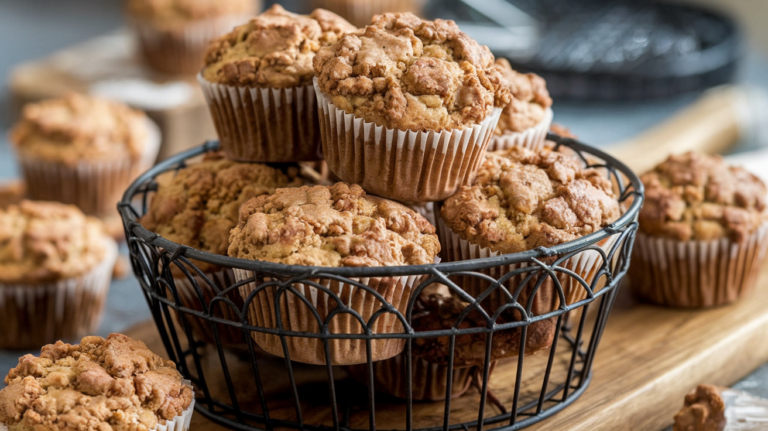

Gluten-Free Muffin Recipes Everyone Can Enjoy
Life is short and the smell of fresh muffins baking in your kitchen is not to be missed. But traveling the world without gluten has, over the years, made those days a distant memory for people who avoid gluten. The close: Gluten-free muffins can indeed be as moist, tender and delicious as their wheat-based relatives. No matter if you’re living with celiac disease, contending with gluten sensitivity, or just trying to eat healthier in the morning, these recipes will change your breakfast routine.
This ultimate guide will bring you through all you need to know to make bakery-style gluten-free muffins at home. From beyond-moist muffins to cookies with avocado and quinoa that never last more than a week, you’ll learn easy recipes and tips as well as how to approach store-bought favorites without sacrificing taste and texture.
Why Gluten-Free Muffins Belong in Your Kitchen
Gluten-free cooking is more than just a fad—it’s a necessary culinary outlet for millions of people across the globe. About 1 in 100 people have celiac disease, an autoimmune disorder in which gluten attacks and damages the small intestine. Many others have gluten intolerance or sensitivity, suffering from unpleasant physical symptoms such as bloating, headaches and fatigue upon consuming wheat products.
But here’s the best news: cutting gluten doesn’t translate to flavor- or texture-free. Today’s gluten-free flours and savvy baking make muffins that are in the same league as traditional recipes. Your gluten-eating friends won’t even be able to tell the difference when you hand them a warm blueberry muffin crafted with almond flour or a chocolate chip masterpiece with oat flour.
Benefits Beyond Dietary Restrictions
The advantages of a gluten-free muffin are many:
Bloating reduction: You may experience less bloating when you switch to baked goods in gluten-free varieties.
Nutrient variety: Non white flours such as almond flour, coconut flour and quinoa flour contain both more protein fiber antioxidant and healthy fats than traditional white bleached flours
Steady blood sugar: Those some gluten free flours that have a lower glycemic index may help keep energy levels steadier
Creative experimentation: They never taste anything like the flavors you’ll experience when working with an array of flours beyond wheat. It’s fun trying new things!
Check out Top 10 Breakfast Casserole Ideas for Busy Mornings
The Foundation: Best Flours for Muffin Magic
The flour can make or break your gluten-free muffins. While wheat flour has gluten to hold things together, gluten-free flours need some help to get up and at attention. Let’s explore the top options:
Single-Ingredient Flours
Almond Flour Made of blanched almonds, this flour yields a super moist muffin with a very subtle nutty flavor. It’s high in protein and good fats, which will make your muffins more filling too. Best for: muffins with bananas; muffins with berries, from blueberries to raspberries and beyond; chocolate versions.
Coconut flour Highly absorbent, coconut flour is going to need a lot more liquid than the other 3. It lends a hint of sweetness and is lovely in tropical-flavored muffins. Best for: pineapple muffins, lemon coconut muffins and any recipe with dried fruit.
Oat Flour Developed from oats, this flour imparts a subtly sweet flavor. Be sure to purchase certified gluten-free oat flour, as conventional oats are frequently cross-contaminated with wheat during processing. Perfect for: cinnamon apple muffins, pumpkin spice muffins and any other hearty breakfast options.
Rice Flour Both white and brown rice flour is a neutral starting point. White rice flour is light of texture, while brown rice flour has more fiber and nutrients. Best for: blend recipes where you want the flour taste to take a backseat.
Flour Blends That Work
The majority of good gluten-free muffins call for flour blends, not single flours. Here’s a blend that you can mix up ahead of time:
Yield: Approximately 4½ cups of flour
Ingredients:
- 2 cups white rice flour (structure base)
- 2/3 cup tapioca starch (adds chewiness)
- 1/3 cup potato starch (improves texture)
- 2 tsp xanthan gum (used as a binder)
Keep this blend in an air-tight container and treat it as cup-for-cup flour for cake or all-purpose flour. This combination works for around 80% of old-fashioned muffin recipes without much tweaking.
Key Ingredients That Make a Difference
But outside of flour, there are some other key ingredients to use in order to make sure your gluten-free muffins come out just right every single time.
Binding Agents
Xanthan Gum or Guar Gum These are powders with similar binding capabilities to gluten. Use 1/4 teaspoon per cup of gluten free flour. It also helps guarantee your muffins don’t fall apart.
Eggs Acts as binding agent, moisture and help in rising. You do need 1-2 eggs in most muffin recipes. For a vegan version, try flax eggs (1 tablespoon ground flaxseed mixed with 3 tablespoons water per egg).
Yogurt or Buttermilk These dairy ingredients moisten the batter and make muffins tender while also lightening them. Greek yogurt is a particularly good candidate, thanks to its ample protein.
Fat Sources
Fat is present in gluten-free muffins to protect the moisture — gluten-free flours usually need a little bit of help maintaining it. Good options include:
- Melted butter or coconut oil
- Vegetable oil or avocado oil
- Mashed banana or applesauce (cuts the fat & increases moistness)
Sweeteners
Granulated sugar is classic, but what about:
- Brown sugar (contributes moisture and caramel flavors)
- Honey or maple syrup (decrease other liquids in the recipe by 2 tablespoons per 1/4 cup)
- Coconut sugar (lower glycemic sweetener with a slight caramel taste)
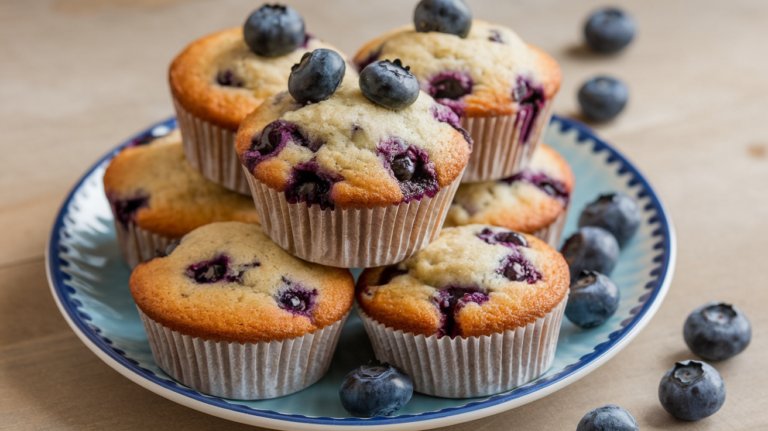
Recipe #1: Classic Blueberry Muffins
They are the ones I bake when I want a muffin that tastes just like the kind you buy from your favorite bakery, bursting with blueberries and a crumb so tender it stays freshly moist for days.
Ingredients
Dry ingredients:
- 2 cups gluten-free flour blend
- 1/2 cup granulated sugar
- 2 teaspoons baking powder
- 1/2 teaspoon baking soda
- 1/4 teaspoon salt
- 1/4 teaspoon xanthan gum (if your flour blend does not include it)
Wet ingredients:
- 2 large eggs
- 1/2 cup plain Greek yogurt
- 1/3 cup melted coconut oil
- 1/4 cup milk (can be dairy or non-dairy)
- 1 teaspoon vanilla extract
- 1 tablespoon lemon zest
Mix-ins:
- 1 1/2 cups fresh or frozen blueberries
Instructions
- Heat oven to 375°F. Line or grease a 12-cup muffin tin.
- Add all dry ingredients in a big bowl. Beat well to combine the leavening.
- In another bowl, stir together eggs, yogurt, coconut oil, milk, vanilla and lemon zest until smooth.
- Add the wet ingredients to the dry ingredients. Stir lightly using a spatula until well combined. It should appear lumpy — overmixing results in tough muffins.
- Fold in blueberries gently. If using frozen berries, do not defrost before you add them.
- Divide batter evenly among muffin cups; fill each cup about 3/4 full.
- Bake 22-25 minutes until tops are a golden brown and a toothpick inserted in the center comes out clean.
- Allow to cool in the pan for 5 minutes and then remove to a wire rack.
Storage tip: Store in an airtight container at room temperature for 3 days, in the refrigerator for up to a week or freeze for 3 months.
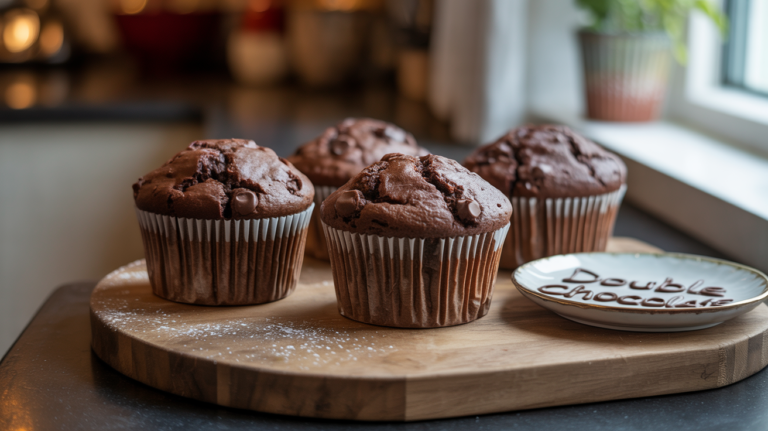
Recipe #2: Double Chocolate Chip Muffins
Rich, loaded with chocolate chips, these muffins quench any sweet-tooth while also being surprisingly nutritious due to the use of almond flour.
Ingredients
- 2 cups almond flour
- 1/3 cup cocoa powder
- 1/2 cup coconut sugar
- 1 teaspoon baking soda
- 1/4 teaspoon salt
- 3 large eggs
- 1/3 cup melted coconut oil
- 1/4 cup honey
- 1 teaspoon vanilla extract
- 3/4 cup gluten-free chocolate chips
Instructions
- Heat oven to 350°F. Line a muffin tin with liners.
- Combine almond flour, cocoa powder, coconut sugar, baking soda and salt in a large bowl.
- In a separate bowl, whisk together eggs, melted coconut oil, honey, and vanilla until combined.
- Pour wet ingredients into dry. Mix until there are no dry pockets.
- Fold in chocolate chips, leaving a few to sprinkle over the top.
- Scoop batter into muffin cups. Sprinkle with remaining chocolate chips.
- Bake 18-20 minutes. The tops should appear set but feel slightly soft to the touch.
- Cool completely, as these muffins set up when cool.
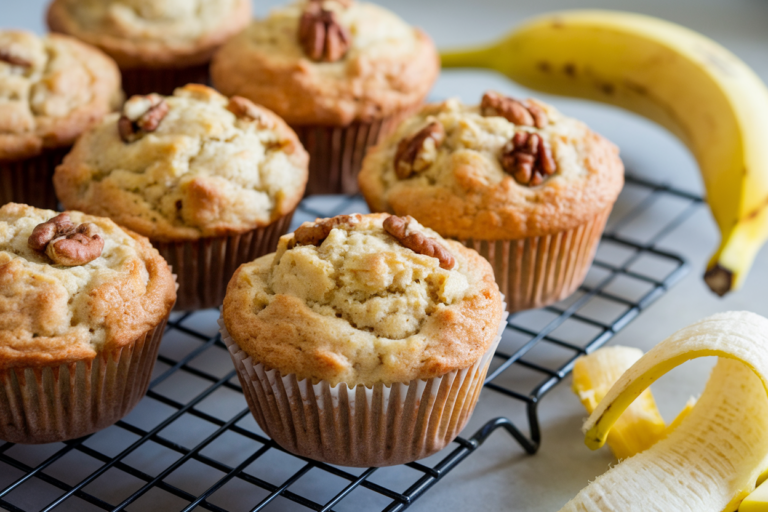
Recipe #3: Banana Nut Muffins
Ideal for when you have overripe bananas, these muffins provide natural sweetness and an amazing moistness. The walnuts add crunch and omega-3 fatty acids.
Ingredients
- 2 cups oat flour
- 1/2 cup almond flour
- 1/3 cup brown sugar
- 2 teaspoons baking powder
- 1/2 teaspoon cinnamon
- 1/4 teaspoon nutmeg
- 1/4 teaspoon salt
- 3 really ripe bananas, mashed (about 1 1/2 cups)
- 2 eggs
- 1/4 cup melted butter
- 1 teaspoon vanilla extract
- 3/4 cup chopped walnuts
Instructions
- Preheat oven to 350°F. Line muffin tin.
- Combine the flours, brown sugar, baking powder, cinnamon, nutmeg and salt all in a bowl.
- Mash bananas well in a large bowl. Stir in eggs, melted butter and vanilla. Mix well.
- Stir in dry ingredients to banana mixture. Stir until combined.
- Fold in chopped walnuts.
- Fill muffin cups 2/3 full.
- Bake 20-22 minutes or until lightly golden and a tester comes out clean.
Variation: Substitute pecans for the walnuts, or add 1/2 cup of chocolate chips for banana chocolate muffins.
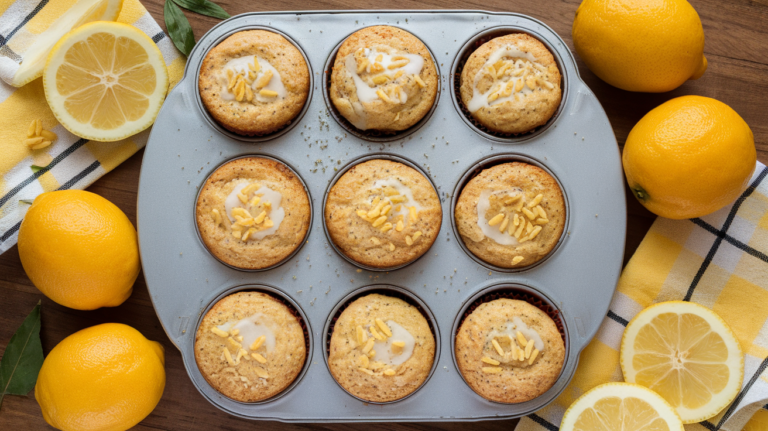
Recipe #4: Lemon Poppy Seed Muffins
Bright, citrusy and sophisticated, these muffins will brighten any breakfast table. The poppy seeds contribute visual interest and a mild nutty bite.
Ingredients
Muffins:
- 2 cups gluten-free flour blend
- 2 tablespoons poppy seeds
- 1/2 cup sugar
- 2 teaspoons baking powder
- 1/4 teaspoon salt
- 2 eggs
- 1/2 cup milk
- 1/3 cup vegetable oil
- 2 tablespoons fresh lemon juice
- 2 tablespoons lemon zest
- 1 teaspoon vanilla extract
Glaze:
- 1 cup powdered sugar
- 2-3 tablespoons fresh lemon juice
Instructions
- Heat oven to 375°F. Grease a muffin tin.
- In a large bowl combine the flour mixture, poppy seeds, sugar, baking powder and salt.
- In another bowl, whisk together eggs, milk, oil, lemon juice, zest and vanilla.
- Combine wet and dry ingredients. Don’t overmix.
- Fill muffin cups 3/4 full.
- Bake 18-20 minutes, or until edges are slightly golden.
- Cool completely before glazing.
- For glaze, mix powdered sugar and lemon juice until smooth. Drizzle over cooled muffins.
Recipe #5: Cheesy Herb Muffins
It doesn’t all have to be sweet! And these savory ones are perfect with soup, salad or eggs for a complete meal.
Ingredients
- 2 cups gluten-free flour blend
- 1 tablespoon sugar
- 2 teaspoons baking powder
- 1/2 teaspoon baking soda
- 1 teaspoon salt
- 1 teaspoon garlic powder
- 2 eggs
- 1 cup buttermilk
- 1/4 cup melted butter
- 1 cup shredded cheddar cheese
- 2 tablespoons fresh chives, chopped
- 1 tablespoon fresh dill, chopped
Instructions
- Heat oven to 375°F. Grease muffin tin generously.
- Add flour, sugar, baking powder, baking soda, salt and garlic powder.
- In another bowl, whisk together eggs, buttermilk and melted butter.
- Add wet to dry and stir until just blended.
- Gently stir in cheese, chives and dill.
- Divide batter among muffin cups.
- Bake 20-22 minutes or until tops are golden and set.
- Serve warm with butter, or alongside chili for a comfort-food meal.
Expert Tips for Ultimate Gluten-Free Muffins
Temperature Matters
Always let refrigerated ingredients like eggs, milk and yogurt come to room temperature before mixing. Cold ingredients don’t meld smoothly with melted butter or oil and instead yield lumpy batter.
Don’t Skip the Rest
After combining your batter, allow it 10 minutes to rest before baking. This gives the flour a chance to hydrate and produces a better texture and rise.
The Toothpick Test
Stick a toothpick into the middle of a muffin. It should emerge just a hint sticky, with a few moist crumbs clinging to it — not raw batter, but not perfectly clean, either. Make a little room in the oven, because crowded muffins bake dry while those with space between them bake up moist.
Portion Control
Portion batter evenly using an ice cream scoop or measuring cup. This way all the muffins will bake evenly, making them ready at the same time.
Storage Solutions
Gluten-free muffins have a tendency to dry out more quickly than a standard version. Store them properly:
- At room temperature: 2-3 days in an airtight container
- Refrigerator: For up to 7 days, tightly sealed in a container or zip-top bag
- Freezer: Up to 3 months wrapped in plastic wrap and placed in a ziplock freezer bag
To refresh frozen muffins, heat in microwave for 20-30 seconds or allow to thaw at room temperature.
Troubleshooting Common Problems
Crumbly, Falling-Apart Muffins
Issue: Not sticking together
Solution: Add xanthan gum or another egg
Dense, Heavy Muffins
Issue: Too much flour or overmixed
Solution: Measure the flour by spooning it gently into a measuring cup and leveling it off, and stir in your batter until just combined
Sunken Centers
Problem: Oven not hot enough, or opening the oven door too early
Solution: Check your oven temperature using an oven thermometer and don’t open it until the muffins are nearly cooked.
Dry, Tough Texture
Problem: Overbaking or too little fat
Solution: Keep an eye on muffins a few minutes before the recipe recommends, and if they seem to turn dry, mix in another tablespoon of oil
How to Make Muffins Healthier Without Compromising the Taste
Here’s how to level up the nutrition in your gluten-free muffins without anyone noticing:
- Cut the sugar by 25 percent: Just about every recipe I make can handle less sweetener.
- Add vegetables: Shredded zucchini or carrots lend both moisture and nutrients
- Add seeds: Chia, hemp or ground flax seed add fiber and omega-3s
- Opt for Greek yogurt: Substitutes some of the oil and adds protein
- Substitute half the flour: Half regular gluten-free flour, half almond flour for a protein boost
Begin Your Gluten-Free Baking Experience Now
Making tasty gluten-free muffins isn’t difficult at all, you simply have to know how the alternative flours act and follow some basic guidelines. The recipes in this guide provide options for every taste, with sweet breakfasts to savory dinner sides.
Begin with the workhorse blueberry muffins, to ease yourself in. Once you’re comfortable, try chocolate versions or add sliced bananas; you could also temper your savory impulses by adding cheese or scallions. Once you’ve gotten the hang of these recipes, you’ll feel confident subbing in your own favorite traditional muffin recipes for gluten-free updates.
And remember: Gluten-free baking is forgiving. If your first batch isn’t perfect, tweak the moisture level or length of baking next time. Jot down what works in your kitchen with your particular ingredients and oven.
Whether you’re baking for a loved one with celiac disease, looking to eat healthier in the morning or just mixing things up in the kitchen, these delicious gluten-free muffin recipes prove that limitations don’t have to result in tasteless treats. Your kitchen is about to smell so, so good — happy baking!
Printable Recipe Card
Want just the essential recipe details without scrolling through the article? Get our printable recipe card with just the ingredients and instructions.