Beef Rump Roast Recipe – Tender, Flavorful, and Comforting
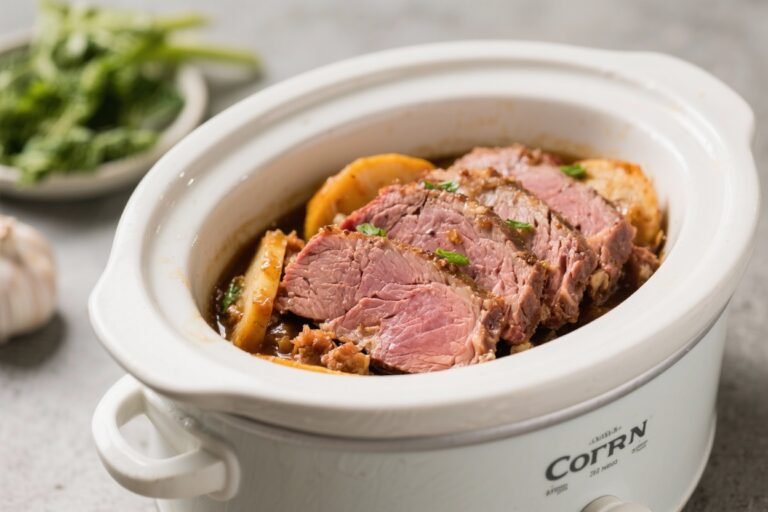
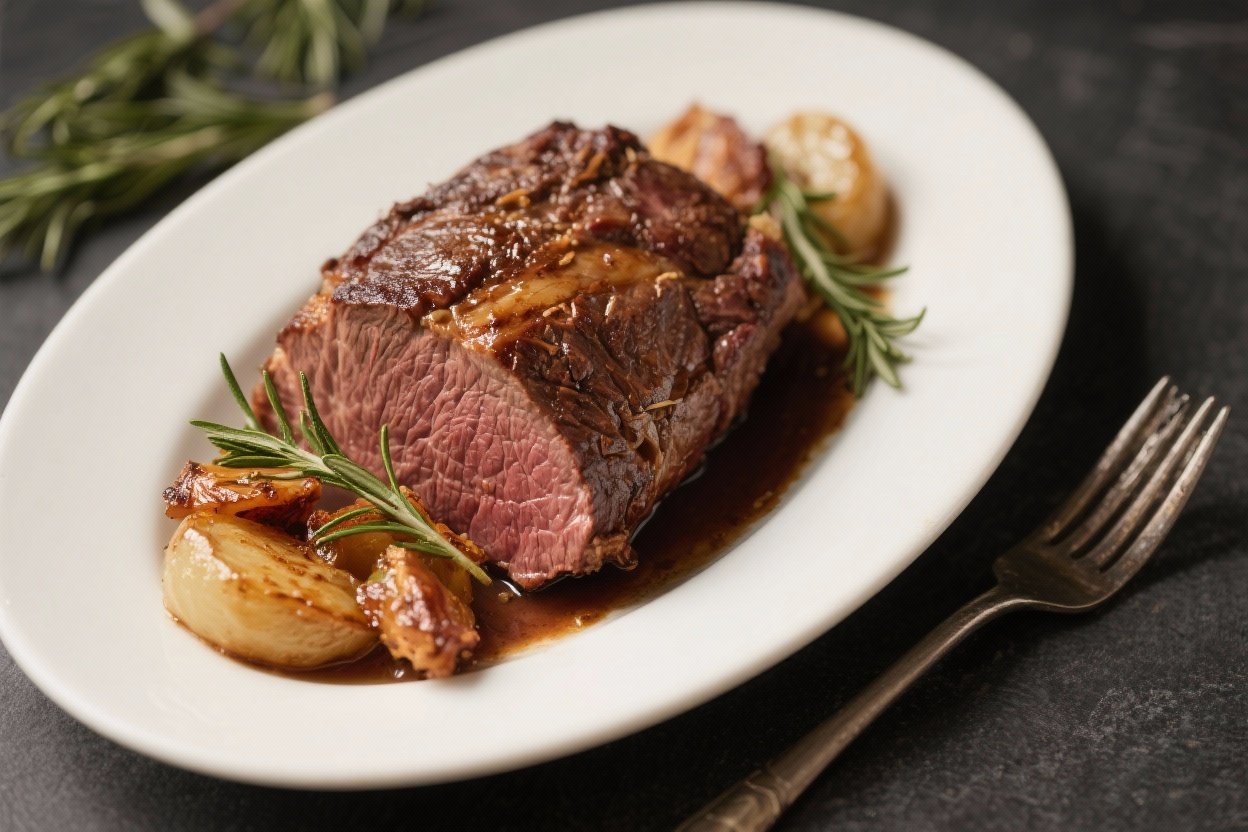
This beef rump roast recipe is a cozy classic you can count on. It’s simple enough for a weeknight and special enough for Sunday dinner. The roast comes out tender, juicy, and packed with flavor, with a savory crust and rich pan gravy.
If you’ve been nervous about roasting beef at home, this method keeps things straightforward and reliable. You’ll only need a handful of ingredients and a little patience while the oven does the work.
Ingredients
Method
- Bring the roast to room temp: Remove the beef from the fridge 30–45 minutes before cooking. Pat it dry with paper towels for better browning.
- Preheat the oven: Set to 325°F (165°C). Place a rack in the middle position.
- Season the roast: In a small bowl, mix salt, pepper, garlic powder, onion powder, rosemary, and thyme. Rub 1 tablespoon olive oil all over the beef, then coat evenly with the seasoning blend.
- Sear for flavor: Heat a large oven-safe skillet or Dutch oven over medium-high heat. Add the remaining 1 tablespoon olive oil. Sear the roast on all sides until deeply browned, about 2–3 minutes per side.
- Build the roasting base: Add onion slices, smashed garlic, and, if using, carrots and celery to the pan around the roast. Pour in the beef broth and Worcestershire sauce. The liquid should come up about 1/2 inch on the sides; add a splash more broth if needed.
- Roast: Transfer the pan to the oven. Roast until the internal temperature reaches your target doneness: 125–130°F (52–54°C): medium-rare, very pink and juicy
- 135–140°F (57–60°C): medium, slightly pink
- 145°F+ (63°C+): medium-well to well done
- Rest the roast: Transfer the beef to a cutting board and tent loosely with foil. Rest 15–20 minutes so the juices redistribute.
- Make the gravy (optional but recommended): Skim excess fat from the pan. Place the pan on the stove over medium heat and bring the drippings and vegetables to a gentle bubble. Whisk 1 tablespoon flour with 2 tablespoons water (or use cornstarch for a gluten-free slurry), then whisk into the pan. Simmer until slightly thickened, 2–4 minutes, adding a splash of broth if you want it thinner. Season to taste.
- Slice and serve: For tender slices, cut the roast against the grain into thin slices. Spoon warm gravy over the top and finish with chopped parsley if you like.
What Makes This Recipe So Good
- Foolproof method: A quick sear and an oven roast at moderate heat gives you a flavorful crust and a tender center.
- Minimal ingredients: Pantry staples like garlic, herbs, and broth bring out the beef’s natural richness without fuss.
- Flexible doneness: Cook it to medium-rare for slicing or longer for a shreddable pot-roast vibe—your choice.
- Great leftovers: Thin slices make standout sandwiches, bowls, and salads for days.
- Built-in pan gravy: The drippings turn into a silky gravy with just a splash of broth and a little flour or cornstarch.
Ingredients
- 3 to 4 pounds beef rump roast (also labeled bottom round roast)
- 2 tablespoons olive oil, divided
- 2 teaspoons kosher salt (plus more to taste)
- 1 teaspoon black pepper
- 1 teaspoon garlic powder
- 1 teaspoon onion powder
- 1 teaspoon dried rosemary (or 2 teaspoons fresh, finely chopped)
- 1 teaspoon dried thyme (or 2 teaspoons fresh, finely chopped)
- 4 cloves garlic, smashed
- 1 large onion, sliced
- 2 carrots, cut into chunks (optional, for the pan)
- 2 celery stalks, cut into chunks (optional, for the pan)
- 1 cup low-sodium beef broth (plus more as needed)
- 1 tablespoon Worcestershire sauce
- 1 tablespoon flour or cornstarch (for gravy; optional)
- Fresh parsley, chopped (optional, for serving)
Instructions
- Bring the roast to room temp: Remove the beef from the fridge 30–45 minutes before cooking. Pat it dry with paper towels for better browning.
- Preheat the oven: Set to 325°F (165°C).
Place a rack in the middle position.
- Season the roast: In a small bowl, mix salt, pepper, garlic powder, onion powder, rosemary, and thyme. Rub 1 tablespoon olive oil all over the beef, then coat evenly with the seasoning blend.
- Sear for flavor: Heat a large oven-safe skillet or Dutch oven over medium-high heat. Add the remaining 1 tablespoon olive oil.
Sear the roast on all sides until deeply browned, about 2–3 minutes per side.
- Build the roasting base: Add onion slices, smashed garlic, and, if using, carrots and celery to the pan around the roast. Pour in the beef broth and Worcestershire sauce. The liquid should come up about 1/2 inch on the sides; add a splash more broth if needed.
- Roast: Transfer the pan to the oven.
Roast until the internal temperature reaches your target doneness:
- 125–130°F (52–54°C): medium-rare, very pink and juicy
- 135–140°F (57–60°C): medium, slightly pink
- 145°F+ (63°C+): medium-well to well done
For a 3–4 lb roast, this typically takes 1.5 to 2.5 hours, depending on size and your oven. Use an instant-read thermometer for accuracy.
- Rest the roast: Transfer the beef to a cutting board and tent loosely with foil. Rest 15–20 minutes so the juices redistribute.
- Make the gravy (optional but recommended): Skim excess fat from the pan.
Place the pan on the stove over medium heat and bring the drippings and vegetables to a gentle bubble. Whisk 1 tablespoon flour with 2 tablespoons water (or use cornstarch for a gluten-free slurry), then whisk into the pan. Simmer until slightly thickened, 2–4 minutes, adding a splash of broth if you want it thinner.
Season to taste.
- Slice and serve: For tender slices, cut the roast against the grain into thin slices. Spoon warm gravy over the top and finish with chopped parsley if you like.
How to Store
- Refrigerate: Store sliced roast and gravy separately in airtight containers for up to 4 days.
- Freeze: Freeze tightly wrapped portions of sliced beef (with a little gravy to prevent drying) for up to 3 months. Thaw overnight in the fridge.
- Reheat: Warm gently in a covered skillet with a splash of broth or water over low heat until heated through.
Avoid high heat, which can dry out the meat.
Benefits of This Recipe
- Budget-friendly: Rump roast is typically more affordable than premium cuts but still delivers big flavor when cooked right.
- Meal prep gold: Slices make quick dinners, sandwiches, and grain bowls through the week.
- Hands-off cooking: Once it’s in the oven, you can focus on sides or set the table.
- Customizable doneness: Choose medium-rare for slicing or take it further for shredding—both work.
- Family-friendly flavors: Classic herbs and savory gravy please a crowd without being fussy.
Pitfalls to Watch Out For
- Skipping the sear: You’ll miss out on that flavorful crust and deeper taste.
- Overcooking without moisture: Rump is lean. Keep some liquid in the pan and monitor the temperature to avoid dryness.
- Not resting the meat: Cutting too soon lets juices run out, leading to tougher slices.
- Slicing with the grain: Always slice against the grain for tenderness.
- Underseasoning: It’s a large cut—be generous with salt and aromatics.
Variations You Can Try
- Herb-crusted: Add Dijon mustard to the roast before seasoning. Press on chopped fresh rosemary, thyme, and parsley for a fragrant crust.
- Balsamic and onions: Replace half the broth with balsamic vinegar.
Add extra onions and a bay leaf for a tangy-sweet finish.
- Garlic and mushroom gravy: Sauté sliced mushrooms in the pan after searing, then proceed with roasting. Finish with a splash of cream in the gravy.
- Slow-cooker method: Sear the roast, then cook on low 8–9 hours with onions, garlic, and 1–1.5 cups broth for a shreddable roast.
- Spice rub twist: Swap herbs for smoked paprika, coriander, and a pinch of cayenne for a subtle heat and smoky aroma.
FAQ
What’s the best internal temperature for a rump roast?
For slicing, aim for 125–130°F for medium-rare or 135–140°F for medium. The temperature will rise a few degrees as it rests.
For shredding, cook longer until fork-tender, usually in a slow cooker or covered oven braise.
Can I skip the vegetables?
Yes, but the onions, carrots, and celery add flavor to the pan juices and gravy. If you skip them, consider adding a little extra garlic and a bay leaf to keep the drippings tasty.
How do I keep the roast from drying out?
Use an instant-read thermometer, don’t overcook, and keep some liquid in the pan. Rest the meat before slicing and reheat leftovers gently with a splash of broth.
Do I need a roasting rack?
No.
Roasting directly in a Dutch oven or oven-safe skillet with vegetables works great. The veggies act like a natural rack and flavor booster.
Can I make this ahead?
Absolutely. Roast, cool, and chill the beef whole for cleaner slices the next day.
Reheat gently in gravy or broth. It’s perfect for entertaining.
What sides go well with rump roast?
Mashed potatoes, roasted potatoes, buttered noodles, green beans, glazed carrots, and a crisp salad are all excellent matches. Don’t forget crusty bread for the gravy.
Final Thoughts
A good beef rump roast doesn’t need fancy tricks—just solid seasoning, a hot sear, and careful roasting.
With this method, you’ll get juicy meat, a savory crust, and a comforting pan gravy every time. It’s the kind of meal that feels special yet easy, with leftovers that keep on giving. Set the table, pour the gravy, and enjoy a classic done right.
Printable Recipe Card
Want just the essential recipe details without scrolling through the article? Get our printable recipe card with just the ingredients and instructions.