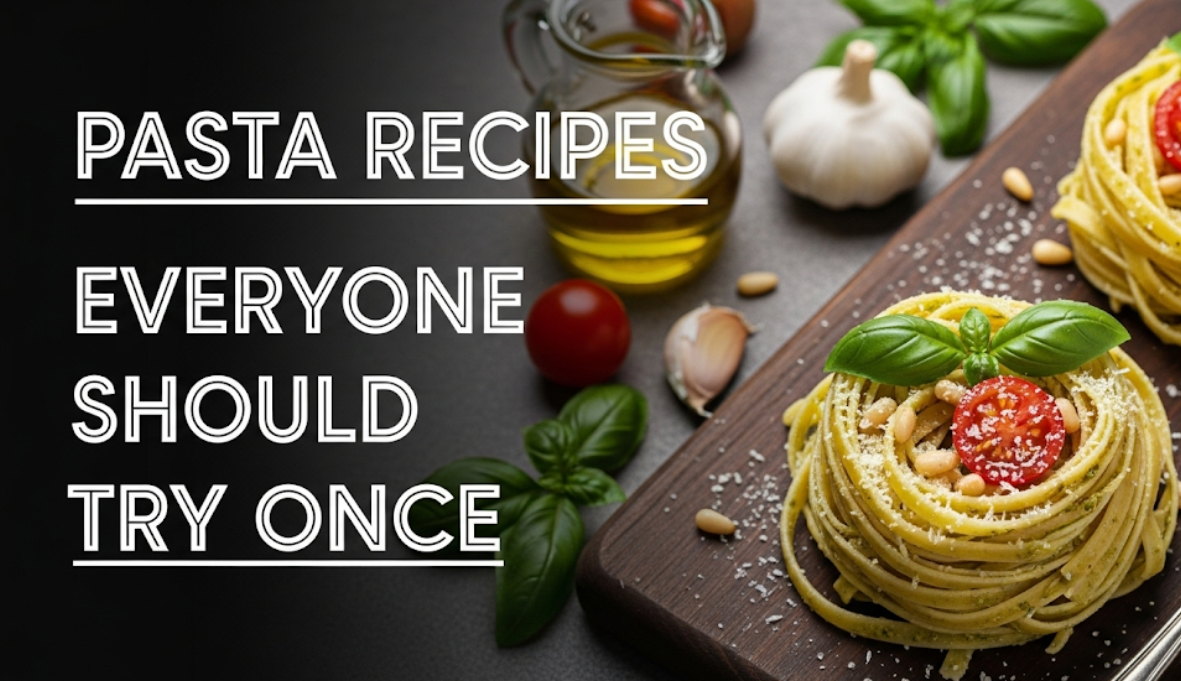
Pasta Recipes Everyone Should Try Once
Introduction
Pasta recipes have conquered hearts and stomachs worldwide over the centuries. These one-pot meals have unlimited options that home cooks can use to make dishes to remember. Whether you are a beginner in the kitchen or a seasoned cook, learning fundamental pasta recipes allows you to unveil unlimited cooking opportunities.
Pasta is simply beautiful because it can be customized. The most fundamental ingredients in the kitchen can be used to make restaurant quality food. Pasta recipes are available to suit all tastes and all diets, such as creamy comfort foods or light summer dishes.
Why These Pasta Recipes Are Important
Culinary Foundation
Knowing the classic recipes of pasta helps you to be sure in the kitchen. These recipes teach basic cooking methods which can be used in a lot of other recipes. After you have mastered the basics, you can make your own creative variations.
Budget-Friendly Cooking
The ingredients of most pasta recipes are cheap and pantry staples. One pack of pasta can feed a family of four people with less than ten dollars. This makes pasta a good choice for home cooks with limited financial resources.
Time-Efficient Meals
A good number of pasta recipes are ready within 30 minutes or less. Because of their speed, they are ideal on busy weekdays when you need a fast and satisfying meal.
Creamy Pasta Recipes
Carbonara: The Roman Classic
Carbonara is the supreme example of Italian simplicity. This pasta dish uses just five ingredients: eggs, cheese, pancetta, black pepper and pasta.
Ingredients:
- 400g spaghetti
- 200g pancetta or guanciale
- 4 large eggs
- 100g Pecorino Romano cheese
- Fresh black pepper
The secret to carbonara is in its temperature. The eggs are cooked by the hot pasta, which gives the dish a silky sauce without scrambling.

Fettuccine Alfredo: American Comfort
This is a rich pasta dish that started to gain popularity in American-Italian restaurants. The original recipe only uses butter, cheese and pasta water.
Basic Steps:
- Cook fettuccine to al dente
- Add butter and Parmigiano-Reggiano
- Add pasta water to make smooth sauce
- Season with salt and pepper
Cacio e Pepe: Three-Ingredient Wonder
This Roman pasta recipe demonstrates that less is more. You make magic with only cheese, pepper and pasta.
The trick lies in creating an emulsion of the starchy pasta water and the grated Pecorino Romano cheese. This creates a creamy, cream-free sauce.
Tomato-Based Pasta Recipes
Marinara: The Foundation Sauce
All cooks need to know how to make basic marinara. This pasta dish offers unlimited possibilities.
Basic Marinara Ingredients:
- Good quality canned tomatoes
- Fresh garlic
- Extra virgin olive oil
- Fresh basil
- Sea salt
Arrabbiata: Spicy Italian Heat
Arrabbiata adds red pepper flakes to marinara to give it a fiery kick. This pasta dish was invented in Rome and translates to “angry” in English.
The heat can be adjusted to your preference. Start with a little red pepper flakes and add more as desired.
Puttanesca: Bold and Briny
This is a bold pasta dish that combines tomatoes, olives, capers and anchovies. Puttanesca is remarkably flavorful despite its colorful background.
The salty and briny ingredients combine to make a complex sauce that pairs beautifully with pasta.
Oil-Based Pasta Recipes
Aglio e Olio: Garlic and Oil Perfection
This simplest pasta dish demonstrates the beauty of quality ingredients. Use the best olive oil and freshest garlic you can find.
Cooking Method:
- Slice garlic and cook slowly in olive oil
- Add red pepper flakes for heat
- Toss with pasta and pasta water
- Finish with parsley and cheese
Pasta Primavera: Garden Fresh Pasta
Primavera celebrates fresh seasonal vegetables in a light oil sauce. Any vegetables that are in season can be used in this pasta recipe.
Common choices include zucchini, bell peppers, cherry tomatoes and fresh herbs. The key is not overcooking the vegetables.
Baked Pasta Recipes
Lasagna: The Ultimate Comfort Food
Lasagna is the ultimate baked pasta recipe. Layers of pasta, sauce, cheese, and filling are baked together to create a hearty meal.
Lasagna Layer Structure:
| Layer | Ingredient | Amount |
|---|---|---|
| Bottom | Meat sauce | 1 cup |
| 1 | Pasta sheets | 3-4 sheets |
| 2 | Ricotta mixture | 1 cup |
| 3 | Mozzarella | 1 cup |
| 4 | Repeat layers | As needed |
| Top | Parmesan | 1/2 cup |
Baked Ziti: Family Favorite
Baked ziti combines pasta with marinara and melted cheese. This pasta dish can feed a crowd and reheats beautifully.
The dish improves when left overnight as the flavors blend together. Consider making it in advance for even better results.
Specialty Pasta Recipes
Pesto: Basil’s Greatest Hit
Classic pesto originates from Liguria, Italy. Fresh basil is transformed into liquid gold in this pasta recipe.
Classic Pesto Ingredients:
- Fresh basil leaves
- Pine nuts
- Garlic
- Parmigiano-Reggiano
- Pecorino Romano
- Extra virgin olive oil
Bolognese: The King of Meat Sauces
Authentic Bolognese requires hours to develop its rich depth of flavor. This pasta dish is worth the wait.
The sauce combines a mixture of ground meats, vegetables, wine and tomatoes. Long, slow simmering develops the characteristic flavor. For more healthy cooking tips and nutritious meal ideas, visit FitFuel Blog to explore recipes that balance flavor with wellness.
How to Make Perfect Pasta Every Time
Salt Your Water Generously
Pasta water should taste like the sea. This is the only opportunity to season the pasta itself. Don’t skip this crucial step.
Save That Pasta Water
Starchy pasta water helps bind pasta and sauce together. Always save a cup before you drain your pasta.
Match Pasta Shapes to Sauces
Different pasta shapes pair with different sauces. Long pasta works with thin sauces; short pasta with ridges holds chunky sauces.
Don’t Rinse Your Pasta
Rinsing removes the starch that helps sauce adhere. Only rinse pasta for cold salads.
Making Pasta Recipes Your Own
Seasonal Adaptations
Adapt pasta recipes based on seasonal ingredient availability. Summer calls for fresh tomatoes and herbs, while winter suits heartier preparations.
Dietary Modifications
Most pasta recipes can be adapted to various dietary needs. Use gluten-free pasta, dairy-free cheese alternatives, or plant-based protein sources.
Flavor Experimentation
Once you master the basics, experiment with different flavor combinations. Try different herbs, spices, or vegetables to create your signature recipes.

Frequently Asked Questions
Q: How much pasta should I cook per person? A: Cook 2-4 oz of dry pasta per person, depending on whether it’s a main dish or side.
Q: Can I make these pasta dishes ahead of time? A: Most sauces can be prepared and refrigerated up to 3 days in advance. Fresh pasta has the best texture.
Q: What’s the difference between al dente and overcooked pasta? A: Al dente pasta has a slight bite when chewed. Overcooked pasta becomes mushy and won’t hold sauce well.
Q: How do I prevent pasta from sticking together? A: Use plenty of boiling water, stir occasionally during cooking, and sauce immediately after draining.
Q: Can I freeze cooked pasta? A: Baked pasta dishes like lasagna freeze well. Plain cooked pasta doesn’t freeze as successfully due to texture changes.
Q: How do I reheat leftover pasta? A: Add a splash of water or sauce and reheat in a pan or microwave. Avoid overcooking, which makes pasta rubbery.
Q: How do I know when pasta is done? A: Taste it! Pasta should be tender but still have a slight firmness when bitten. Use package directions as a guideline.
Conclusion
These fundamental pasta recipes form the foundation of excellent Italian cooking. Each dish offers valuable lessons while delivering incredible flavors. Start with simpler recipes like aglio e olio or marinara before attempting more complex dishes like Bolognese.
Remember that pasta cooking is both an art and science. Don’t be afraid to adjust seasoning, experiment with ingredients, or make these recipes your own. The beauty of pasta lies in its versatility and forgiving nature.
With practice, these pasta recipes will become second nature. You’ll find yourself creating delicious dishes without relying on recipes. This is when cooking transforms from following instructions to pure creativity.
Invest in quality ingredients, master these basic techniques, and enjoy discovering your own favorite pasta combinations. Your family and friends will appreciate the delicious meals you create.
For additional Italian cooking techniques and authentic recipes, check out Serious Eats’ guide to Italian pasta for expert tips and variations.
Printable Recipe Card
Want just the essential recipe details without scrolling through the article? Get our printable recipe card with just the ingredients and instructions.